
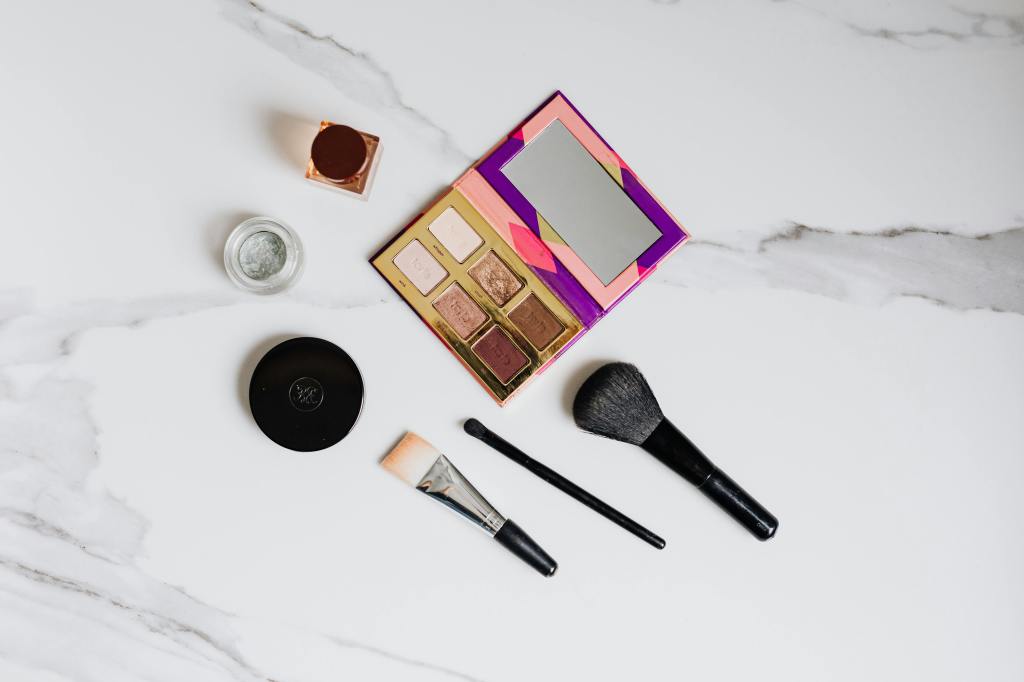
At least once a week, customers ask me to show them where the clean beauty products are. The beauty industry constantly evolves, with trends increasing faster than ever. One of the most significant shifts in recent years has been the rise of “clean beauty.” But what exactly does “clean beauty” mean, and is it a game-changer or another marketing ploy designed to lure consumers?
What Is Clean Beauty?
At its core, clean beauty refers to products formulated without certain harmful or controversial ingredients, such as parabens, sulfates, phthalates, and synthetic fragrances—many brands also market clean beauty products as cruelty-free, vegan, or sustainably sourced. However, the definition of “clean” varies widely across brands and is not standardized by the FDA or any other governing body.
The Lack of Regulation
One of the most significant issues with the clean beauty movement is the lack of industry-wide regulations. Unlike terms such as “organic” or “natural,” which have specific guidelines (at least in the food industry), “clean” is a loosely defined term that brands can interpret as they see fit. This means some products labeled “clean” may still contain potentially harmful ingredients or lack transparency in their formulation.
Fear-Based Marketing?
Fear-based marketing associated with clean beauty is a growing concern within the beauty community. Many brands promote the idea that traditional cosmetics are “toxic” or “unsafe,” creating unnecessary fear around synthetic ingredients. However, not all synthetic ingredients are harmful, just as not all natural ingredients are safe (poison ivy, anyone?)… The truth is that many synthetic ingredients undergo rigorous testing for safety and efficacy, while some natural alternatives can cause irritation or allergic reactions.
The Role of Sustainability
Sustainability is another central selling point of clean beauty. Many brands emphasize eco-friendly packaging, ethical sourcing, and reduced carbon footprints. However, sustainability claims can also be misleading, with some companies engaging in “greenwashing”—a practice where brands exaggerate their environmental efforts to appeal to conscious consumers.
Making Informed Choices
So, is clean beauty a scam? Not necessarily. The movement for clean beauty products has helped raise awareness of ingredient transparency and encouraged brands to create safer, more sustainable products. However, consumers should approach clean beauty with a critical mindset. Rather than trust marketing labels, they should research ingredients, check for third-party certifications, and choose products that align with their values and needs.
At the end of the day, clean beauty is neither good nor bad. While it’s a step toward greater transparency in the industry, it’s also a term that requires scrutiny. The best beauty routine works for you, regardless of whether it carries the “clean” label.
Photo by : Kaboompics.com
 Aurora Gonzalez