
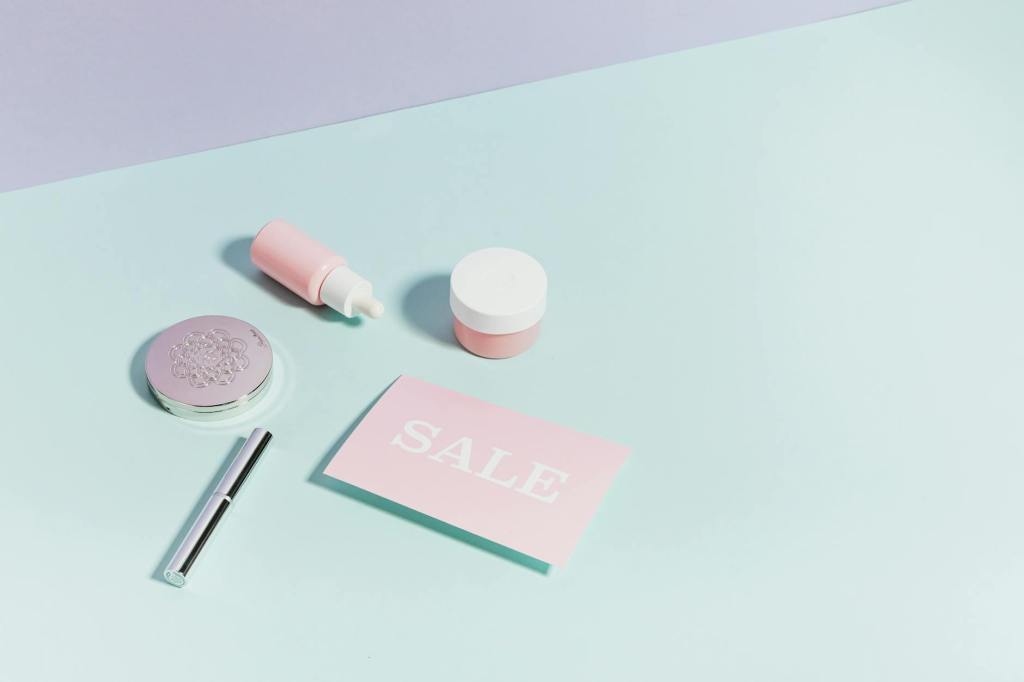
I was recently scrolling through TikTok and came across the trend “Project Pan.” If you’re unfamiliar, Project Pan is a movement where beauty enthusiasts commit to finishing up their existing makeup and skincare products before purchasing new ones. It directly responds to the overconsumption culture fueled by the beauty industry and social media. Yet, despite these efforts, many of us still find ourselves drawn to the latest releases, limited-edition packaging, and viral must-haves. So why do we buy more beauty products—even when our vanities overflow?
The Dopamine Hit of Beauty Shopping
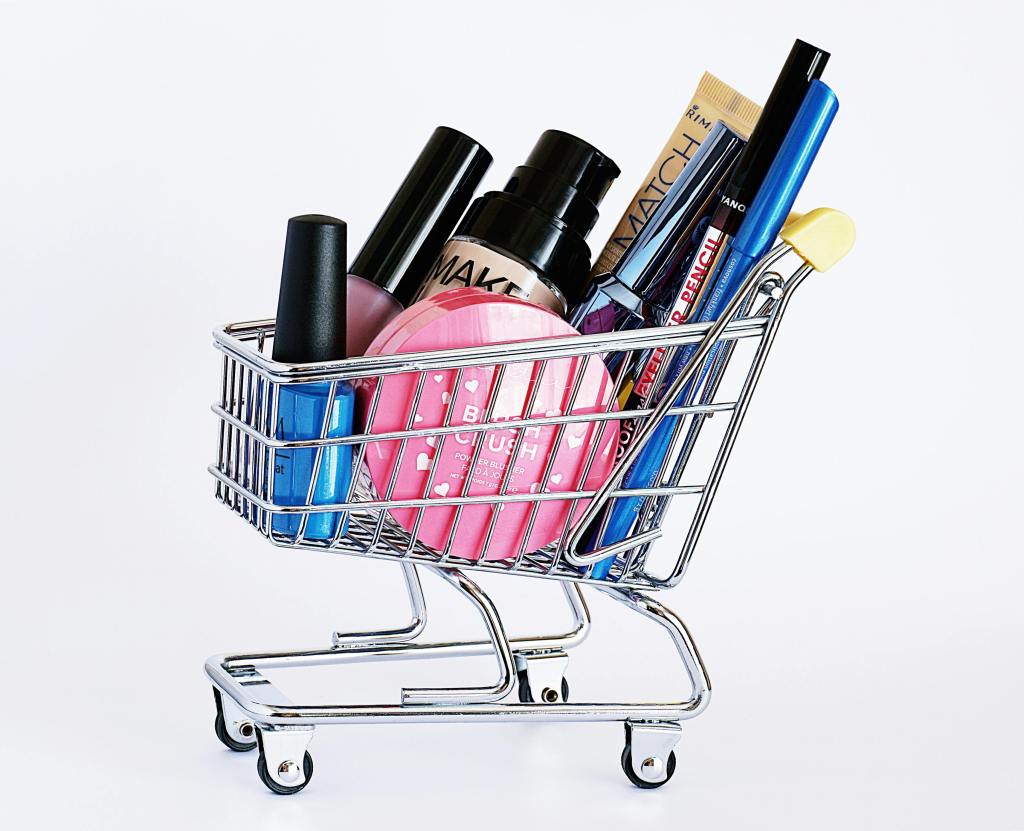
One major factor behind our endless beauty hauls is dopamine, the neurotransmitter associated with pleasure and reward. The anticipation of buying something new, especially a product that promises transformation or enhancement, triggers a rush of excitement. This explains why we often feel thrilled when adding items to our cart or swatching a new product at a beauty store. However, the satisfaction is usually short-lived, leading us to seek the next purchase for another dopamine hit.
The Influence of Social Media and Beauty Marketing
Beauty brands have mastered the art of psychological persuasion, and social media platforms like TikTok, Instagram, and YouTube have helped amplify it. Influencers and beauty gurus create an endless cycle of desire by showcasing “holy grail” products, must-have new releases, and “empties” videos that justify constant consumption. Limited-time drops and exclusivity tactics intensify the fear of missing out (FOMO), making us feel like we need to buy now or regret it later.
A study titled “The Impact of Social Media Influencers on impulsive purchasing: The Role of Product Involvement” examines how social media influencers affect consumers’ impulsive buying behaviors. The research indicates that influencers can significantly drive impulse purchases, especially when consumers are highly involved with the product category. This means that individuals sincerely interested in a particular product type are more susceptible to spontaneous purchases when influenced by social media personalities. When consumers view an influencer as trustworthy and appealing, they are more likely to be swayed by their endorsements, which can lead to impulsive buying decisions.
The Role of Persuasion in Beauty Purchases
According to Persuasion, from the Principles of Social Psychology by Washington State University, persuasion involves influencing attitudes and behaviors through communication. The beauty industry relies heavily on persuasive tactics to drive consumer behavior. One such strategy is credibility and attractiveness, where brands market their products using influencers and celebrities who fit conventional beauty standards.
Emotional appeals also play a significant role in beauty marketing. Advertisements often emphasize how a product can boost self-esteem, create a sense of empowerment, or enhance social desirability. These messages appeal to deep-seated emotions and encourage impulse purchases.
The Comfort of Rituals and Collecting
For many, beauty isn’t just about looking good—it’s about feeling good. Applying makeup or following a skincare routine can be a therapeutic ritual. Collecting products, whether it’s luxury lipsticks or indie eyeshadow palettes, can also bring a sense of joy and identity.
Breaking the Cycle: Conscious Beauty Consumption
So, how can we resist the pull of endless beauty shopping? The key is to be mindful when shopping. Here are some strategies:
- Pause Before Purchasing:– Ask yourself: Do I need this? Do I already own something similar? Will I still want this in a month?
- Embrace Project Pan – Use what you have before adding more to your collection.
- Unfollow and Curate – Reduce exposure to constant beauty hauls by following creators who promote mindful beauty habits.
- Invest in Multi-Use Products – Opt for versatile items that serve multiple purposes.
- Find Joy Beyond Shopping: Reignite your love for beauty through creativity, such as experimenting with new looks using what you already own.
Final Thoughts
The psychology of beauty purchases is complex, blending emotional, social, and neurological influences. While indulging in the joy of new beauty products is perfectly okay, being mindful of our habits can lead to a healthier relationship with consumption.
Sources
Daffin, Lee, and Carrie Lane. Principles of Social Psychology, Washington State University, 15 Jan. 2021, opentext.wsu.edu/social-psychology/chapter/module-6-persuasion/.
Sohn, Yong Seok, and Man Ting Ko. “The Impact of Planned vs. Unplanned Purchases on Subsequent Purchase Decision Making in Sequential Buying Situations.” Journal of Retailing and Consumer Services, Pergamon, 9 Dec. 2020, www.sciencedirect.com/science/article/abs/pii/S0969698920314260.

